
Celebrity
Chandi Heffner and Doris Duke: The Adoption That Changed a Fortune

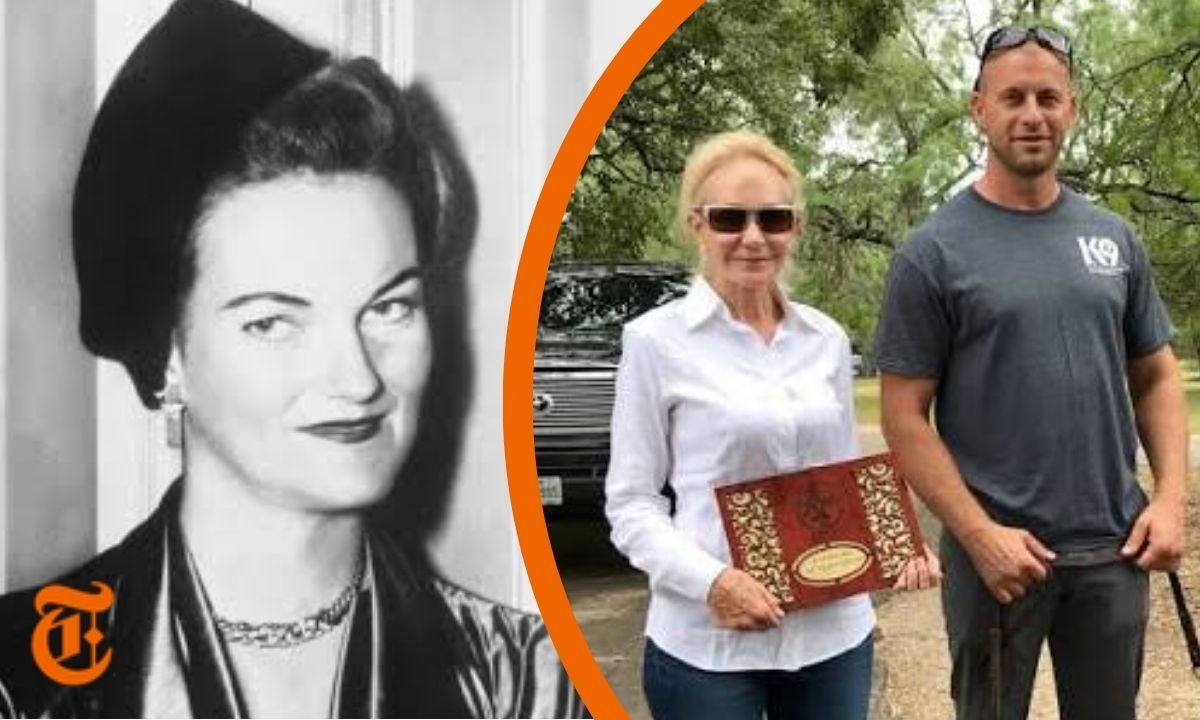
Chandi Heffner became widely known because of her unusual relationship with billionaire heiress Doris Duke. In 1988, Duke adopted Heffner as an adult. Duke was about 75 years old, while Heffner was about 35. This was not a normal parent-and-child story. The two women met through shared spiritual interests, and Duke came to believe that Heffner had a deep link to her late infant daughter. Their bond became very close, but it did not last. Within a few years, the relationship ended in anger, legal action, and a fight over money. The story of Chandi Heffner still draws interest because it shows how adult adoption can mix family feelings with inheritance, power, grief, and personal trust.
Doris Duke was one of the richest women in the United States. She inherited a large fortune connected to her father, James Buchanan Duke, whose business interests included tobacco and electric power. Doris Duke lived a life filled with wealth, famous homes, travel, art, and public attention. Yet her private life also included deep loss. Her only biological child, a daughter named Arden, died soon after birth. That loss stayed with Duke for many years. Although money gave her comfort and freedom, it could not replace the family life she had once expected. This part of Duke’s past is important because it helps explain why her later connection with Chandi Heffner became so emotional.
Who Was Chandi Heffner?
Chandi Heffner was an adult woman with an interest in spiritual life when she entered Doris Duke’s world. Reports often describe both women as having ties to beliefs linked with the Hare Krishna movement. Their shared spiritual ideas helped create a quick and powerful bond. Duke did not appear to see Heffner as only a friend or helper. She reportedly believed that Heffner carried the reincarnated soul of Arden. Reincarnation is the belief that a person’s soul can return in another body after death. For Duke, this belief may have made the relationship feel like a second chance to become a mother. For Heffner, the bond offered emotional closeness and access to an extraordinary life.
In 1988, Doris Duke legally adopted Chandi Heffner. Since Heffner was already an adult, the adoption did not involve child welfare workers, school records, or the daily care of a young child. Instead, it created a legal family connection between two adults. Heffner became Duke’s legal daughter and gained a place in Duke’s family line. The adoption also had possible effects on inheritance. An adopted adult may receive many of the same legal rights as a biological child, depending on the state, the wording of a will, and the structure of an estate. This made the adoption more than a private spiritual act. It also became an important financial and legal decision.
Why the Adoption Became So Important
At first, the adoption may have seemed like a way for Doris Duke to give legal form to an emotional relationship. Duke had wealth but no surviving biological child. Chandi Heffner appeared to fill a painful empty space in her life. Adult adoption can serve this purpose. It can recognize a bond that already feels like family. A stepparent may adopt an adult stepchild. A former foster parent may adopt a grown person they cared for years earlier. In some cases, an older person may adopt an adult who has provided support, love, and companionship. The legal act tells the world that the two people consider each other parent and child.
However, the bond between Duke and Heffner soon became strained. The exact private reasons have been described in different ways over the years. What is clear is that Duke’s trust changed. She later called the adoption one of the worst mistakes of her life. That statement shows how far the relationship had fallen. A bond once linked to love, grief, and spiritual belief became a source of conflict. Duke took steps to remove Heffner from her estate plans and tried to undo the legal effects of the adoption. The case became a warning about making permanent legal choices during a period of strong emotion.
The Legal Fight Between Doris Duke and Chandi Heffner
Doris Duke moved to end or cancel the adoption. Chandi Heffner fought back through the legal system. The dispute involved more than hurt feelings. It concerned her legal status as Duke’s daughter and her possible claim to a huge estate. Duke died in 1993, but the conflict did not simply disappear. Heffner challenged decisions linked to Duke’s estate. Public reports later described a multimillion-dollar settlement. Some historical accounts place the amount at about $65 million, although exact terms and related estate arrangements should be checked through court records before being stated as final fact.
The case shows why adult adoption can have lasting results. People may think of adoption as a statement of love, but it is also a legal change. It can affect inheritance, family identity, next-of-kin status, and future court disputes. Ending an adoption may be much harder than starting one. A person cannot always erase the legal relationship simply because the emotional bond has ended. Courts may review whether proper legal reasons exist. Estate plans must also be updated with care. A will, trust, adoption order, and state inheritance law may all affect the final result.
What Is Adult Adoption?
Adult adoption is the legal adoption of a person who has reached the age of adulthood. It does not usually involve the same process used in the adoption of a child. There is often no home study because the adopted person is not a minor who needs protection or daily care. The adult being adopted normally must agree to the adoption in writing. The adopting adult must also file the correct court papers and explain the relationship. Some states have age-gap, residency, notice, or consent rules. Other states have fewer limits. Because the laws are different in each state, a person should not assume that one state’s process will apply in another.
Illinois is one of the states that permits adult adoption. The outline for this article describes an Illinois rule involving two adults who have lived with each other continuously for two years. It also notes that the adult adoptee must sign a consent form. However, adoption laws and court procedures can change. A person planning an Illinois adult adoption in 2026 should confirm the current Adoption Act, local filing rules, required notices, and court forms. An Illinois family law attorney or circuit court clerk can explain the current process. This article offers general information and should not be treated as legal advice.
Why Adults Choose Adoption
Many people choose adult adoption to recognize a real parent-child bond. The relationship may have started when the adopted person was young, but a legal adoption may not have been possible at that time. A foster child may have been moved away from a caring family. A stepparent may have helped raise a child but never completed the legal process. Years later, the adults may decide to make the family relationship official. Unlike the story of Chandi Heffner and Doris Duke, many adult adoptions are not connected to great wealth. They are simple acts of love, belonging, and family identity.
Adult adoption may also affect inheritance. In many situations, a legally adopted person is treated like a biological child under inheritance law. This can matter when a parent dies without a valid will. Still, adoption does not solve every estate problem. A will or trust may contain special terms. It may name certain people, exclude others, or define the word “child” in a narrow way. Adult adoption may also have tax effects and may change rights involving other relatives. Anyone using adoption as part of an estate plan should speak with both a family lawyer and an estate-planning lawyer.
Common reasons for adult adoption include:
- It gives legal recognition to a parent-child relationship that has existed for many years but was never made official.
- It can create a stronger sense of family identity for former foster children, stepchildren, caregivers, and chosen family members.
- It may affect inheritance rights when a parent dies without a will, although a complete estate plan is still important.
- It may help show a clear family relationship during medical emergencies, but separate health-care documents may still be required.
Medical Rights and Other Limits
Some adults consider adoption because they want hospital access or the power to make medical choices. Adoption may help establish next-of-kin status in some situations, but it should not replace a health-care power of attorney. Hospitals, privacy rules, and state laws may require written documents that name the person allowed to receive information or make decisions. A living will and financial power of attorney may also be needed. Adult adoption can support a family bond, but it is not a complete legal plan. The safest approach is to use adoption together with clear medical, financial, and estate documents.
Maurice Griffin and a Different Kind of Adult Adoption
The story of Maurice Griffin offers a strong contrast to the Chandi Heffner case. Griffin entered the Harris family’s home through foster care when he was young. He formed a close bond with the family, but California authorities later removed him. The separation caused pain for both Griffin and the Harris family. As an adult, Griffin searched for them and finally found them again. At age 32, he was legally adopted by the family he had once known as his own. His story shows how adult adoption can repair a family bond that was broken by circumstances beyond the family’s control.
The two stories reveal very different sides of the same legal process. Maurice Griffin’s adoption confirmed a bond built through care, time, and childhood memories. The adoption of Chandi Heffner grew from an intense adult relationship shaped by grief, spiritual belief, and great wealth. One case brought closure and belonging. The other led to mistrust and litigation. Adult adoption itself was not the cause of either result. The key difference was the strength, history, and stability of the relationships behind the legal papers.
A Less-Discussed Lesson From the Chandi Heffner Story
A useful lesson from this case is that emotional certainty is not the same as legal safety. Doris Duke may have felt sure that Chandi Heffner had returned to her life for a spiritual reason. Yet strong feelings can change. Before completing an adult adoption, both people should discuss money, inheritance, caregiving, privacy, and future expectations. They should also receive separate legal advice. Separate lawyers can help ensure that each person understands the long-term effects. This is especially important when one person is wealthy, elderly, ill, dependent, or emotionally vulnerable.
Final Thoughts
The story of Chandi Heffner and Doris Duke remains fascinating because it is about far more than money. It is a story of grief, hope, spiritual belief, family identity, and broken trust. It also shows that adult adoption can be both deeply personal and legally powerful. For some families, it brings peace and belonging. For others, poor planning can lead to years of conflict. Anyone considering adult adoption should move with care, use clear legal documents, and make sure the relationship is strong enough to support a permanent family change.
FAQs
Who is Chandi Heffner?
Chandi Heffner is best known as the adult woman adopted by billionaire heiress Doris Duke in 1988. Their relationship later ended in a major legal and estate dispute.
Why did Doris Duke adopt Chandi Heffner?
Duke reportedly believed that Heffner had a spiritual connection to her late infant daughter, Arden. Shared religious interests also helped form their close bond.
How old were Doris Duke and Chandi Heffner?
Doris Duke was about 75 years old when the adoption took place. Chandi Heffner was about 35.
Did Chandi Heffner inherit Doris Duke’s fortune?
Heffner did not receive Duke’s entire fortune. She challenged estate-related decisions after their relationship ended, and historical reports describe a large financial settlement.
Can an adult adoption be canceled?
It may be possible in limited situations, but it is not always simple. State law, fraud claims, consent, court orders, and estate documents can affect the result.
Is adult adoption legal in Illinois?
Yes, Illinois permits adult adoption, but applicants must follow current state law and local court procedures. The exact requirements should be confirmed before filing.
Does adult adoption give medical decision-making power?
Not always by itself. A health-care power of attorney, living will, and privacy authorization may still be needed to make decisions or receive medical information.

Top Benefits of Choosing a Velo Electrique Puissant for Urban Commuting

Michelle Gumbel: What to Know About Greg Gumbel’s Daughter

Theodora Holmes Husband: How She Built a Private Life With Troy Polamalu

Jean Taynton Age: What We Know About John Lithgow’s First Wife

Summer Odalis Beckham Age: Meet Odell Beckham Jr.’s Youngest Sister

David Hefner Age: How Old Is Hugh Hefner’s Son Today?

Meet Samantha Rotunda: The Woman Once Married to Bray Wyatt

Who Was Amy Arnaz? Life Story of Desi Arnaz Jr.’s Wife

Kirsten Barlow Age: How Old Is Joe Lando’s Wife Today?

Alma Gonzales Today: What Happened After Richard Thomas?
Top Benefits of Choosing a Velo Electrique Puissant for Urban Commuting
Michelle Gumbel: What to Know About Greg Gumbel’s Daughter
Theodora Holmes Husband: How She Built a Private Life With Troy Polamalu
Jean Taynton Age: What We Know About John Lithgow’s First Wife
Summer Odalis Beckham Age: Meet Odell Beckham Jr.’s Youngest Sister
David Hefner Age: How Old Is Hugh Hefner’s Son Today?
Meet Samantha Rotunda: The Woman Once Married to Bray Wyatt
Who Was Amy Arnaz? Life Story of Desi Arnaz Jr.’s Wife
Kirsten Barlow Age: How Old Is Joe Lando’s Wife Today?
Alma Gonzales Today: What Happened After Richard Thomas?
-

 Celebrity3 months ago
Leonardo DiCaprio Daughter: The Real Story in 2026
-

 Entertainment3 months ago
What Is Latest Entertainment News 2026? Big Updates in Movies, Music, and TV
-

 Technology3 months ago
Best Budget Gadgets for Students in 2026: Smart Tools That Save Money
-

 Celebrity3 months ago
Celebrity Wife Biography: Why Fans Search for Famous Family Stories