
Tech
New Data Backup For Home Use: Simple Guide for 2026

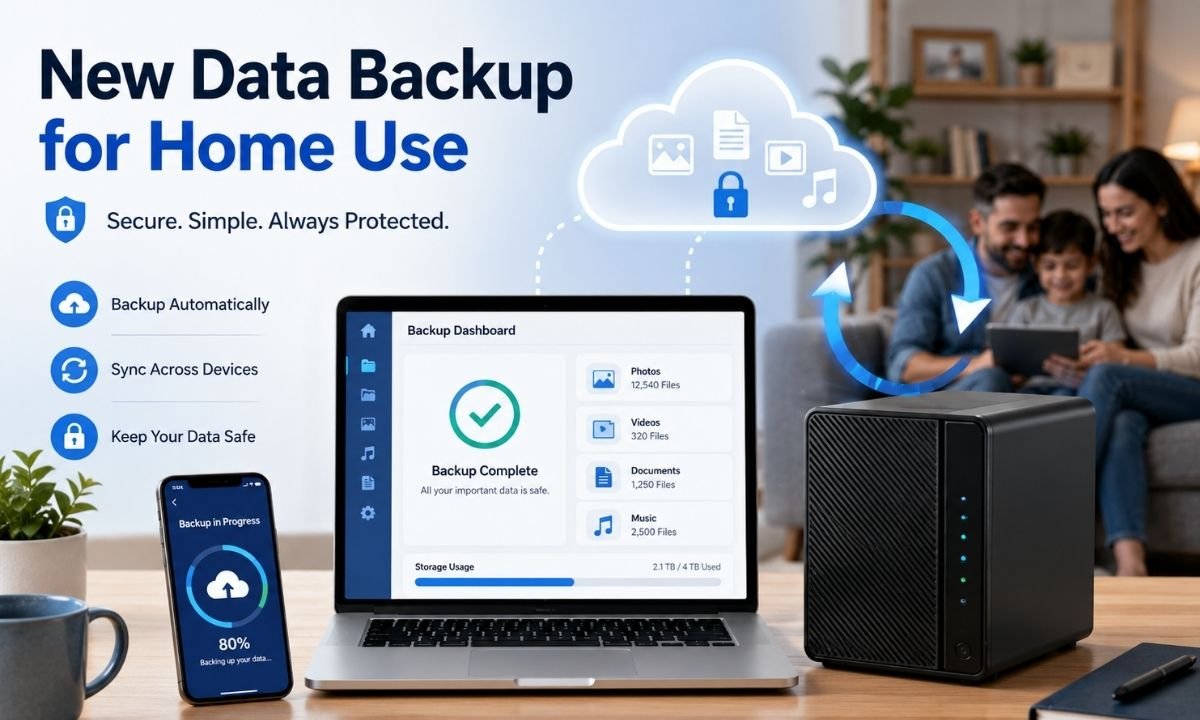
New data backup for home use is now more important than ever because families keep memories and key papers on phones, laptops, tablets, and cloud apps. Losing these files can feel like losing part of your life. In 2026, the best plan is not hard. It is a mix of cloud backup, local storage, and safe habits. New data backup for home use means making extra copies before a crash, theft, mistake, virus, or account problem happens. The Federal Trade Commission says people can back up files to cloud storage or an external drive and disconnect the backup drive after use for better safety.
What New Data Backup Means in 2026
New data backup for home use means more than saving one folder to a USB drive. It means setting up a system that works without stress. Your phone should back up photos and settings. Your laptop should save documents and desktop files. Your family drive should store a second copy of photos, videos, and school work. A good 2026 backup plan should also help you restore files fast. Microsoft says Windows Backup can save files, settings, apps, themes, and Wi-Fi information, which helps when moving to a new PC. That is why new data backup for home use should be easy, automatic, and clear for every family member.
Why One Copy Is Not Enough
Many people think their files are safe because they are on a laptop or in a cloud account. That is risky. A laptop can break. A phone can be lost. A child can delete a folder by mistake. A cloud account can get locked. A virus can damage files. New data backup for home use solves this by giving you more than one copy. The safest home plan has one copy on your device, one on a local drive, and one away from your home. This idea is often called the 3-2-1 backup rule. You do not need to be a tech expert.
The Best Home Backup Setup
A strong new data backup for home use setup starts with three simple parts. First, keep your normal files on your phone, laptop, or desktop. Second, use an external hard drive, SSD, or home NAS box for local backup. Third, use a trusted cloud service for off-site backup. This gives you fast restore at home and protection if fire, theft, or water damage harms your device. Families with many videos may need 8 TB or more. New data backup for home use should match your real file size, not just the lowest price.
Cloud Backup for Daily Safety
Cloud backup is helpful because it works even when you are not at home. It can save phone photos, laptop files, and app data in the background. New data backup for home use should include cloud storage for the files you cannot lose. For iPhone users, Apple says iCloud Backup can save device information and settings that do not already sync to iCloud, and users can manage what apps are included in the backup. For Windows users, OneDrive and Windows Backup can help save key files and settings. Cloud backup is not perfect, but it is useful when your phone breaks or your laptop is stolen.
Local Backup for Fast Restore
Local backup means saving files to a drive you own. New data backup for home use needs a local copy because it is fast and simple to restore. Large video files can take a long time to download from the cloud. A local drive can bring them back faster. Windows users can also use File History, which Microsoft says can back up folders to an external drive or network location and help restore older versions of changed or deleted files. A local backup is useful when internet speed is slow or cloud storage is full.
Offline Backup Stops Bigger Trouble
One smart part of new data backup for home use is offline backup. Offline means the backup drive is not always connected to your computer. This matters because ransomware can look for connected drives and damage backup files too. CISA tells users and groups to keep offline, encrypted backups and test that backups can be restored, because some ransomware tries to delete or encrypt backups that it can reach. For home use, this can be simple. Plug in your external drive once a week. Run the backup. Eject the drive. Put it in a safe place. This small habit can save years of family data.
What Files Should You Back Up First?
New data backup for home use should start with the files that matter most. Save family photos, phone videos, school work, tax papers, IDs, home records, password vault backup files, creative projects, and work documents. Also save browser bookmarks, email exports when needed, and app data that is not easy to replace. Do not waste time backing up junk files first. Start with the files that would hurt to lose. After that, add music, downloads, game saves, and old folders. A good home backup plan should include every device in the house. Your old laptop may have photos that no one copied yet.
How Often Should Home Backup Run?
New data backup for home use should run on a simple schedule. Phones should back up daily when charging and on Wi-Fi. Laptops should back up daily or at least weekly. Family photo drives should be copied weekly. Tax files and business files should be backed up the same day they are made or changed. The FTC says regular backup helps protect against computer crashes, hacks, and viruses. The best plan is automatic, because people forget. Still, you should check the backup screen once a month. A backup that has stopped working is almost the same as no backup at all.
Simple Security Rules for Backup
New data backup for home use must also be secure. Use a strong password on your cloud account. Turn on two-factor sign-in. Keep recovery codes in a safe place. Lock your computer with a PIN or password. Encrypt external drives when possible. Do not share your cloud login with many people. Do not save private files in random free apps without checking trust and privacy. For family backup, teach each person where important files should go. A simple folder name like “Family Photos 2026” or “Home Documents” can make backup easier.
New Backup Trends for 2026 Homes
The newest change in new data backup for home use is that backup is becoming smarter and more automatic. Many systems now guide users through device transfer, cloud sync, storage alerts, and file recovery. Windows Backup is made to help users restore many key items to a new PC. Apple also offers device backup through iCloud and computer backup options for iPhone and iPad users. In 2026, families also care more about privacy. This is why encrypted backup, locked cloud accounts, and offline copies matter. The goal is not just to save files. The goal is to keep files safe from loss and misuse.
Common Mistakes to Avoid
Many homes make the same backup mistakes. They save everything to one old USB drive. They leave the drive plugged in all year. They never test restore. They only back up photos but forget documents. They use one weak password for every account. New data backup for home use should avoid these habits. The biggest mistake is trusting only one place. Another mistake is thinking sync is the same as backup. Sync can copy a deletion or mistake to all devices. Backup should let you go back to an older version. Before you trust any system, restore one test file.
Final Thoughts
New data backup for home use is not only for tech people. It is for every family that owns a phone, laptop, or tablet. The best 2026 plan is simple. Keep your main files on your device. Save a local copy on a drive at home. Save another copy in the cloud. Keep one backup offline. Use strong passwords and test restore often. New data backup for home use protects photos, school work, home papers, and daily memories. Start with your most important files today. Then make backup automatic. A safe backup plan gives you peace of mind because your digital life is not tied to one device.
FAQs
What is new data backup for home use?
New data backup for home use means making safe extra copies of your personal files at home. These files can include photos, videos, documents, school work, and phone data. A good plan uses both cloud backup and a local drive. This helps you get files back after device loss, damage, mistakes, or malware.
What is the best backup method for home users in 2026?
The best method is a mix of three copies. Keep one copy on your main device, one copy on an external drive or NAS, and one copy in the cloud. This makes new data backup for home use stronger because one failure will not destroy everything.
Is cloud storage enough for home backup?
Cloud storage is helpful, but it should not be your only backup. Your account can be locked, your storage can fill up, or a file can sync the wrong way. New data backup for home use works better when cloud storage is paired with a local offline backup.
How often should I back up my home computer?
You should back up important files daily if they change often. For normal family use, weekly backup is a good start. Phones can back up automatically when charging and connected to Wi-Fi. New data backup for home use should be checked once a month to make sure it still works.
Do I need an external hard drive for backup?
Yes, an external hard drive is still useful. It gives you a fast local copy of big files like videos and photos. It also helps when internet speed is slow. New data backup for home use is stronger when the drive is disconnected after backup and stored safely.
What size backup drive do I need for home use?
Most simple homes can start with 2 TB or 4 TB. A family with many 4K videos, old photos, and work files may need 8 TB or more. Choose a drive bigger than your current data size. This gives your new data backup for home use room to grow.
How can I know my backup is working?
You know it works by testing it. Open your backup app and check the last backup date. Restore one test file. Make sure the file opens. New data backup for home use is only useful when you can restore files quickly and safely.

Top Benefits of Choosing a Velo Electrique Puissant for Urban Commuting

Michelle Gumbel: What to Know About Greg Gumbel’s Daughter

Theodora Holmes Husband: How She Built a Private Life With Troy Polamalu

Jean Taynton Age: What We Know About John Lithgow’s First Wife

Summer Odalis Beckham Age: Meet Odell Beckham Jr.’s Youngest Sister

David Hefner Age: How Old Is Hugh Hefner’s Son Today?

Meet Samantha Rotunda: The Woman Once Married to Bray Wyatt

Who Was Amy Arnaz? Life Story of Desi Arnaz Jr.’s Wife

Kirsten Barlow Age: How Old Is Joe Lando’s Wife Today?

Alma Gonzales Today: What Happened After Richard Thomas?
Top Benefits of Choosing a Velo Electrique Puissant for Urban Commuting
Michelle Gumbel: What to Know About Greg Gumbel’s Daughter
Theodora Holmes Husband: How She Built a Private Life With Troy Polamalu
Jean Taynton Age: What We Know About John Lithgow’s First Wife
Summer Odalis Beckham Age: Meet Odell Beckham Jr.’s Youngest Sister
David Hefner Age: How Old Is Hugh Hefner’s Son Today?
Meet Samantha Rotunda: The Woman Once Married to Bray Wyatt
Who Was Amy Arnaz? Life Story of Desi Arnaz Jr.’s Wife
Kirsten Barlow Age: How Old Is Joe Lando’s Wife Today?
Alma Gonzales Today: What Happened After Richard Thomas?
-

 Celebrity3 months ago
Leonardo DiCaprio Daughter: The Real Story in 2026
-

 Entertainment3 months ago
What Is Latest Entertainment News 2026? Big Updates in Movies, Music, and TV
-

 Technology3 months ago
Best Budget Gadgets for Students in 2026: Smart Tools That Save Money
-

 Celebrity3 months ago
Celebrity Wife Biography: Why Fans Search for Famous Family Stories