News
What Is Typhoon Bavi 2026? Full Details About the Pacific Storm

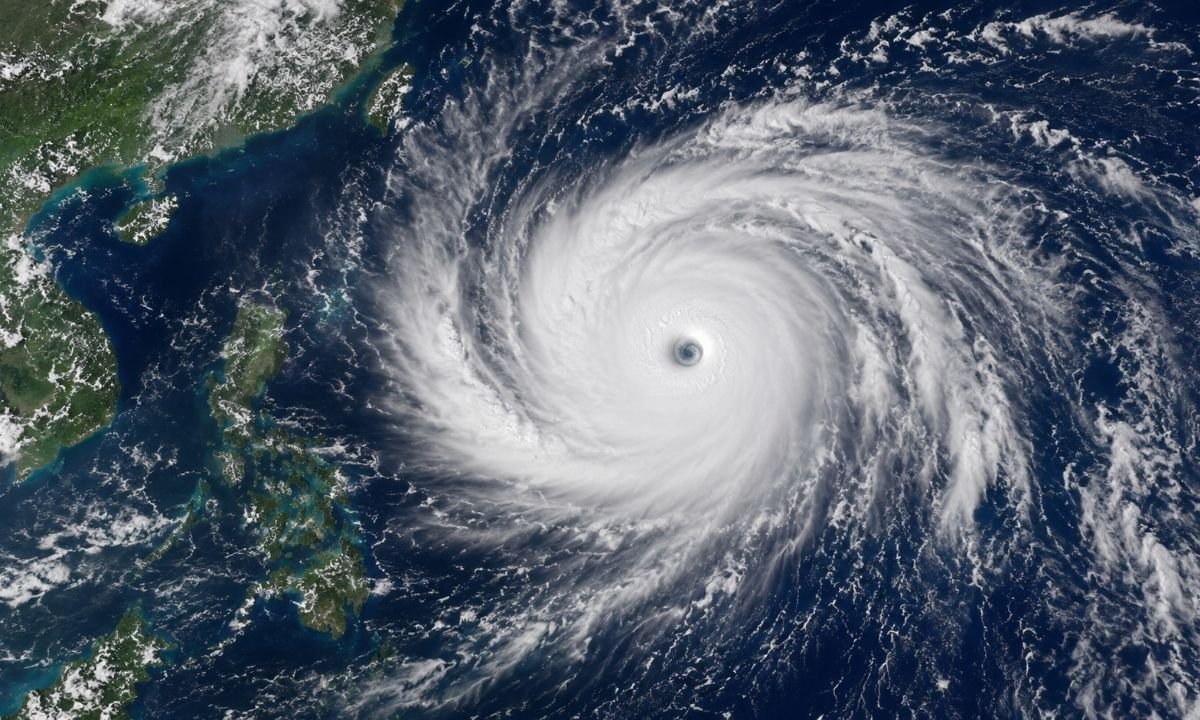
Typhoon Bavi 2026 is one of the strongest western Pacific storms reported in early July 2026. It became a major weather story because it moved across the Mariana Islands with very strong winds, heavy rain, and dangerous conditions. The storm affected Guam, Rota, Tinian, and Saipan. News reports described Bavi as a Category 5 super typhoon, which means it had the power to cause severe damage to homes, trees, roads, power lines, and coastal areas.
The main focus of typhoon bavi 2026 is not only the storm’s size, but also its danger to small island communities that face typhoons often but can still suffer heavy damage when a storm becomes this strong. Reuters reported that Super Typhoon Bavi crossed the Mariana Islands on Monday, July 6, 2026, bringing catastrophic winds and heavy rainfall.
Where Did Typhoon Bavi 2026 Happen?
Typhoon bavi 2026 formed and moved in the western Pacific Ocean, where many powerful typhoons develop each year. This region includes warm ocean water, open sea, and island chains that are often exposed to tropical storms. The Mariana Islands sit in this storm-prone area. Guam is a U.S. territory, while the Northern Mariana Islands are a U.S. commonwealth. Rota, Tinian, and Saipan are part of the Northern Mariana Islands.
Reuters reported that the storm was moving through an island chain located about 3,800 miles west of Hawaii and about 1,550 miles east of the Philippines. This location matters because people there must prepare for strong storms, but a super typhoon can still bring life-threatening danger even to communities that know typhoon safety well.
Why Is It Called a Typhoon?
A typhoon is the same basic kind of storm as a hurricane, but the name changes by region. NASA explains that hurricanes and typhoons are both tropical cyclones, and all tropical cyclones get their energy from warm ocean water. NASA also says the word “typhoon” is commonly used for tropical cyclones that form in the West Pacific.
So, typhoon bavi 2026 is called a typhoon because it developed in the western Pacific region. If the same type of storm formed in the Atlantic Ocean, many people would call it a hurricane. If it formed near the Indian Ocean or Australia, it may be called a cyclone. The names are different, but the danger is similar. These storms can bring strong winds, storm surge, heavy rain, and flooding.
How Strong Was Typhoon Bavi 2026?
Typhoon bavi 2026 was reported as a Category 5 super typhoon. That is a very high level of strength. Reuters said Bavi’s eyewall was expected to make landfall at Rota with winds up to 180 miles per hour and gusts up to 215 miles per hour possible. The Associated Press also reported that Bavi was a Category 5 super typhoon, with winds that could reach 180 mph and gusts up to 215 mph.
These numbers show why the storm was so dangerous. Winds this strong can tear roofs, break windows, knock down trees, damage weak buildings, and make it unsafe to go outside. Flying debris can become deadly during a storm like this. That is why officials warned people to stay indoors and away from windows.
What Areas Were Hit the Hardest?
Rota was one of the hardest-hit areas during typhoon bavi 2026. Reuters reported that Bavi blasted Rota with catastrophic winds as it crossed the Mariana Islands. The Associated Press reported that the eye of the storm passed over Rota on Monday morning local time and brought winds of more than 150 mph. This is important because the eye and eyewall of a typhoon are very dangerous parts of the storm. The eyewall is the ring of powerful storms around the calm center.
It usually has the strongest winds and heaviest rain. When the eye passes over a small island, that island can feel extreme winds from one direction, a short calm period, and then extreme winds from the other direction. This can cause major damage.
What Happened in Guam, Saipan, and Tinian?
Guam, Saipan, and Tinian also faced dangerous weather from typhoon bavi 2026. Reuters reported that Guam, Tinian, and Saipan were lashed by Bavi as it crossed the Mariana Islands. AP reported that Saipan’s international airport recorded wind gusts of more than 100 mph. That kind of wind can damage power systems, buildings, signs, trees, and vehicles.
Guam opened evacuation centers, and Governor Lou Leon Guerrero urged residents to avoid travel and stay inside. These actions show that local leaders treated the storm as a serious public safety emergency. Even if one island does not get the exact center of a super typhoon, it can still face heavy rain, flooding, and damaging wind.
Why Was Typhoon Bavi 2026 So Dangerous?
Typhoon bavi 2026 was dangerous because it had more than one threat. The wind threat was the most dramatic, but the rain threat was also serious. Reuters reported that Bavi could produce 12 to 20 inches of rain near the storm center, raising the risk of flash flooding through Tuesday night. AP also reported that the storm could bring at least 20 inches of rain by the time it passed through the region.
Heavy rain can flood roads, damage homes, and create landslide risk in some places. When rain falls fast, drains can overflow. Streams can rise quickly. People may not have time to move if they wait too long. This is why flood warnings are important during a typhoon.
What Does “Super Typhoon” Mean?
A super typhoon is a very powerful typhoon with extremely strong sustained winds. The Associated Press explained that a cyclone becomes a super typhoon when maximum sustained winds reach 150 mph or stronger. AP also noted that this is equal to a high-end Category 4 or Category 5 storm.
This helps explain why typhoon bavi 2026 received so much attention. It was not a normal rainstorm. It was not only a windy day. It was a major tropical cyclone with the power to create life-threatening damage. A super typhoon can affect many parts of daily life. It can close airports, stop port activity, damage roads, cut electricity, and force families into shelters. Recovery can take days, weeks, or even longer.
What Safety Steps Did Officials Recommend?
During typhoon bavi 2026, people were told to stay inside and avoid unsafe travel. AP reported that the National Weather Service told residents across the islands to move to interior rooms and stay away from windows. This is a key safety rule during extreme wind. Windows can break from flying debris.
The safest place is often a small inside room on the lowest safe floor, away from glass. UNICEF also recommends that families prepare emergency kits with food, medicines, cash, a first aid kit, flashlights, batteries, and water for several days. UNICEF says people should listen to local authorities and evacuate right away if told to do so. These steps can save lives before and during a major storm.
How Did People Prepare for the Storm?
People in Guam and the Northern Mariana Islands prepared by using shelters, securing homes, and staying informed. Reuters reported that Guam opened evacuation centers across the territory. Before a typhoon, people often bring outdoor items inside, cover windows, charge phones, store water, buy basic food, and check on older family members.
UNICEF advises families to bring outdoor furniture, toys, and tools indoors, check windows and doors, clear drains, and protect important documents from water damage. For typhoon bavi 2026, these steps were especially important because the storm had extreme winds and heavy rainfall. Good preparation cannot stop a typhoon, but it can reduce injuries and help families recover faster after the storm passes.
What Damage Can a Storm Like Bavi Cause?
A storm like typhoon bavi 2026 can cause many kinds of damage at the same time. Strong winds can rip metal roofing, break tree limbs, destroy small buildings, and knock down utility poles. Heavy rain can flood homes and roads. Storm surge and high surf can damage coastal areas. Power lines can fall, which creates both blackout and safety risks.
Reuters said the U.S. islands affected by Bavi are also important defense hubs, with facilities including Andersen Air Force Base, Naval Base Guam, and Marine Corps Base Camp Blaz. When a typhoon hits a region with homes, roads, schools, airports, ports, and military sites, the impact can spread beyond one village. It can affect travel, emergency services, supplies, and communication.
Why Is Typhoon Bavi 2026 Important for Weather News?
Typhoon bavi 2026 is important because it shows how fast a Pacific storm can become a major threat to island communities. It also shows why storm tracking is so important. Reuters published a tracking page for Super Typhoon Bavi and said the page would keep updating with the latest forecast.
The same Reuters page said the storm was crossing the Mariana Islands and blasting Rota with catastrophic winds. People need updated forecasts because a small change in the track can change which island gets the worst conditions. For islands close together, the difference of a few miles can decide whether an area gets the eyewall or only outer storm bands. This is why residents should follow official weather updates until the storm is fully gone.
What Can Readers Learn From Typhoon Bavi 2026?
The biggest lesson from typhoon bavi 2026 is that preparation should begin before the storm is at the door. A typhoon can strengthen, change path, and become dangerous quickly. Families in typhoon areas should keep emergency supplies ready during storm season. They should know where the nearest shelter is. They should keep phones charged, protect documents, and have a plan for children, older adults, pets, and people with health needs.
It is also important not to go outside during the eye of the storm. The calm eye can make people think the danger is over, but the other side of the eyewall can arrive with violent winds again. During a super typhoon, the safest choice is to stay sheltered until officials say it is safe.
Latest Summary of Typhoon Bavi 2026
As of July 6, 2026, typhoon bavi 2026 was being reported as a Category 5 super typhoon affecting the Mariana Islands, especially Rota, Guam, Tinian, and Saipan. Reuters reported catastrophic winds, heavy rainfall, and flash flood risk. AP reported that the eye passed over Rota and that typhoon and flash flood warnings were in effect for Guam, Tinian, and Saipan.
The storm’s full damage picture may take time to become clear because communication, travel, and power can be disrupted after a major typhoon. For readers searching for typhoon bavi 2026, the most useful facts are the storm’s location, strength, wind danger, rainfall risk, landfall area, safety warnings, and recovery needs.
Final Thoughts
Typhoon bavi 2026 is a clear reminder that Pacific storms can become very dangerous when warm ocean water helps them grow stronger. This storm brought major concern to Guam and the Northern Mariana Islands, especially Rota.
Its strong winds, heavy rain, and flash flood threat made it a serious event for families, leaders, and emergency workers. The best lesson from typhoon bavi 2026 is simple: prepare early, follow official warnings, stay indoors during the worst weather, and do not take storm safety lightly.
FAQs
1. What is typhoon bavi 2026?
Typhoon bavi 2026 is a powerful western Pacific tropical cyclone that affected the Mariana Islands in July 2026. It was reported as a Category 5 super typhoon and brought dangerous wind, rain, and flooding risk to Guam, Rota, Tinian, and Saipan.
2. Where did typhoon bavi 2026 make landfall?
Reports said the storm’s eye passed over Rota in the Northern Mariana Islands on Monday morning local time. Rota faced some of the most extreme conditions from the storm.
3. How strong was typhoon bavi 2026?
Typhoon bavi 2026 was reported as a Category 5 super typhoon. Reuters reported possible winds up to 180 mph and gusts up to 215 mph near Rota.
4. Was Guam affected by typhoon bavi 2026?
Yes. Guam was affected by strong winds, heavy rain, and emergency warnings. Guam also opened evacuation centers, and officials urged people to stay inside and avoid travel.
5. Why is it called a typhoon and not a hurricane?
It is called a typhoon because it formed in the western Pacific. NASA explains that hurricanes and typhoons are both tropical cyclones, but the name changes by region.
6. What should people do during a super typhoon?
People should stay indoors, move away from windows, listen to local officials, keep emergency supplies ready, and evacuate only if authorities tell them to do so. It is also important to avoid floodwater and fallen power lines after the storm.


Top Benefits of Choosing a Velo Electrique Puissant for Urban Commuting

Michelle Gumbel: What to Know About Greg Gumbel’s Daughter

Theodora Holmes Husband: How She Built a Private Life With Troy Polamalu

Jean Taynton Age: What We Know About John Lithgow’s First Wife

Summer Odalis Beckham Age: Meet Odell Beckham Jr.’s Youngest Sister

David Hefner Age: How Old Is Hugh Hefner’s Son Today?

Meet Samantha Rotunda: The Woman Once Married to Bray Wyatt

Who Was Amy Arnaz? Life Story of Desi Arnaz Jr.’s Wife

Kirsten Barlow Age: How Old Is Joe Lando’s Wife Today?

Alma Gonzales Today: What Happened After Richard Thomas?
Top Benefits of Choosing a Velo Electrique Puissant for Urban Commuting
Michelle Gumbel: What to Know About Greg Gumbel’s Daughter
Theodora Holmes Husband: How She Built a Private Life With Troy Polamalu
Jean Taynton Age: What We Know About John Lithgow’s First Wife
Summer Odalis Beckham Age: Meet Odell Beckham Jr.’s Youngest Sister
David Hefner Age: How Old Is Hugh Hefner’s Son Today?
Meet Samantha Rotunda: The Woman Once Married to Bray Wyatt
Who Was Amy Arnaz? Life Story of Desi Arnaz Jr.’s Wife
Kirsten Barlow Age: How Old Is Joe Lando’s Wife Today?
Alma Gonzales Today: What Happened After Richard Thomas?
-

 Celebrity3 months ago
Leonardo DiCaprio Daughter: The Real Story in 2026
-

 Entertainment3 months ago
What Is Latest Entertainment News 2026? Big Updates in Movies, Music, and TV
-

 Technology3 months ago
Best Budget Gadgets for Students in 2026: Smart Tools That Save Money
-

 Tech3 months ago
Android Tips 2026: Simple Guide for 2026